Brand Identity Design Essentials for Growing Companies
Brand identity design is the system of visual, verbal, and experiential elements that shape how a company is recognized, remembered, and trusted. For growing companies in 2026, brand identity design is no longer about aesthetics alone, however it is a strategic asset that influences credibility, differentiation, and long-term growth [1].
In summary: Strong brand identity design helps growing companies communicate clarity, build trust, and scale consistently across channels.
Table of Contents
- What Is Brand Identity Design?
- Why Brand Identity Matters for Growing Companies
- Core Elements of Brand Identity Design
- Brand Identity Design vs Branding
- Common Brand Identity Mistakes as Companies Scale
- Conclusion
What Is Brand Identity Design?
Brand identity design defines how a company visually and verbally presents itself to the world. It translates strategy into recognizable systems that customers can quickly understand and trust [2].
This typically includes:
- Logo systems and usage rules
- Typography and color palettes
- Visual style and imagery direction
- Brand voice and tone guidelines
- Design consistency across platforms
Why Brand Identity Matters for Growing Companies
As companies grow, inconsistency becomes expensive. Brand identity design ensures that marketing, sales, hiring, and product experiences remain aligned as complexity increases [3].
For growing companies, brand identity design supports:
- Trust and credibility in competitive markets
- Clear differentiation from similar offerings
- Faster decision-making across teams
- Scalable marketing and content production
Core Elements of Brand Identity Design
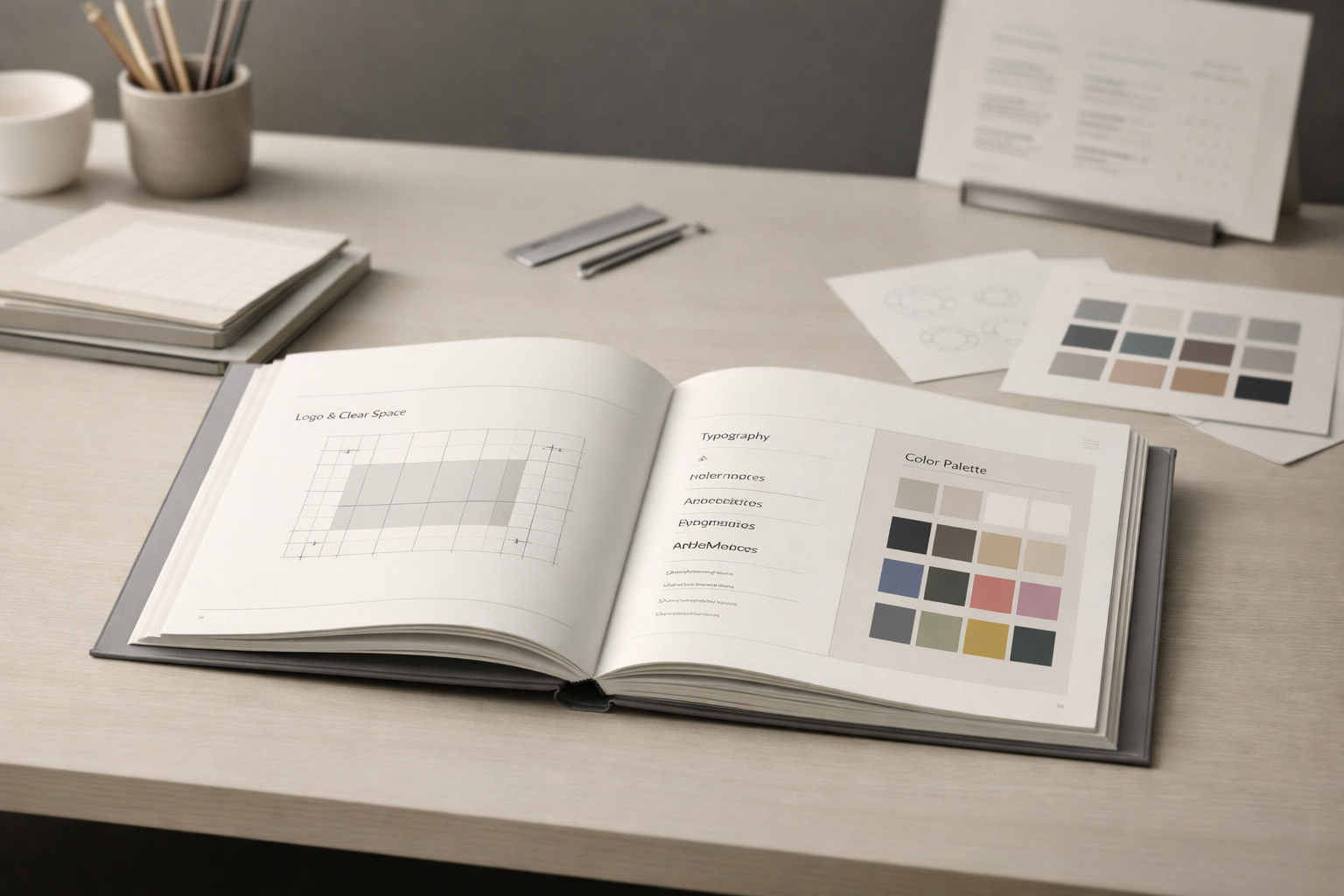
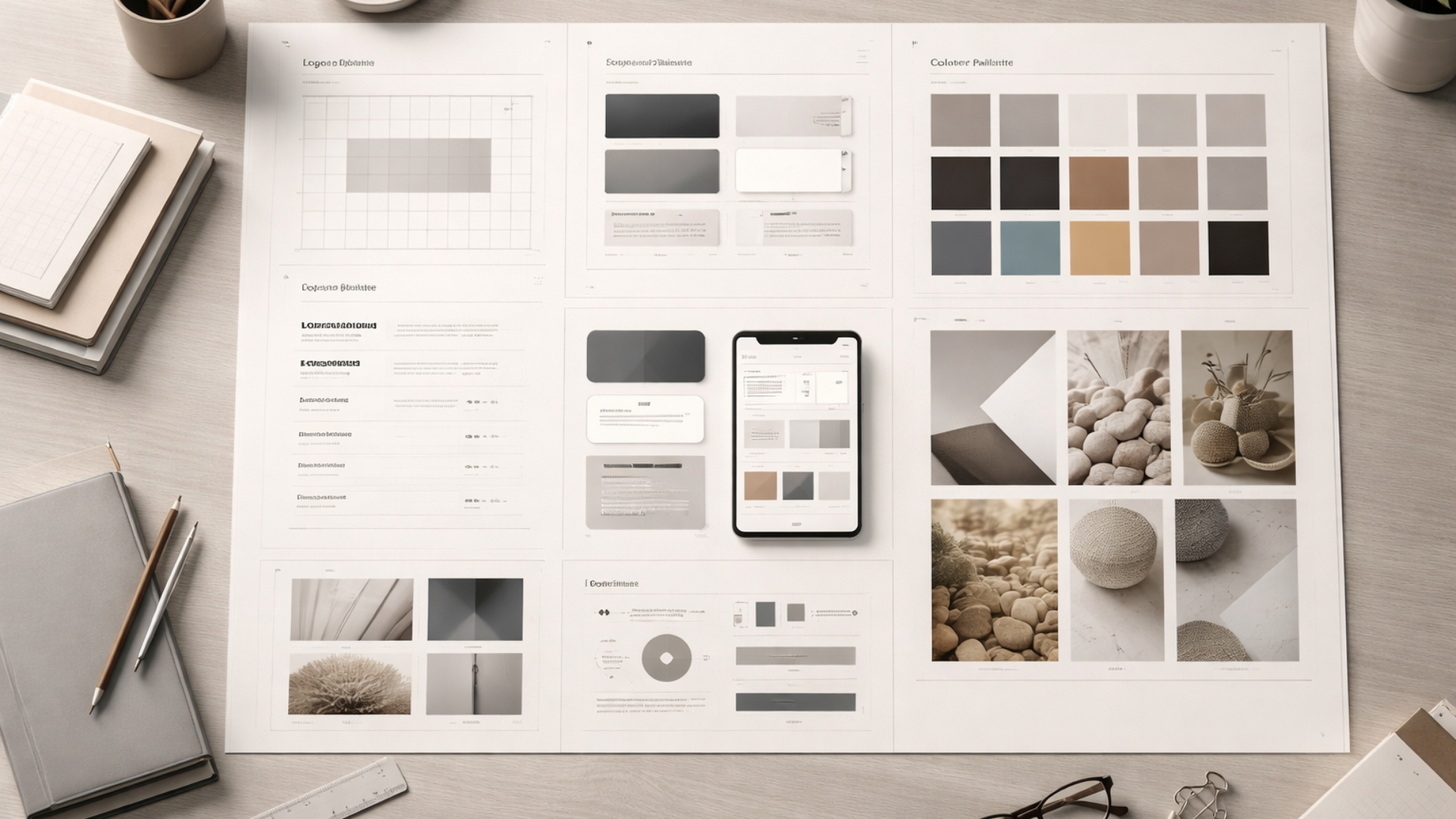
Effective brand identity design is built as a system, not a single visual asset. Each component must work together cohesively [4].
- Logo System: Primary, secondary, and responsive logo variations.
- Typography: Fonts that reflect personality and improve readability.
- Color Palette: Consistent use of color to reinforce recognition.
- Visual Language: Patterns, layouts, and imagery style.
- Brand Voice: How the company sounds across all communication.
Brand Identity Design vs Branding
Brand identity design is often confused with branding, but they serve different roles. Branding defines the strategy and positioning, while brand identity design expresses that strategy visually and verbally [5].
In practice:
- Branding: Purpose, positioning, values, and promise.
- Brand Identity Design: How those ideas are expressed consistently.
Common Brand Identity Mistakes as Companies Scale
Growing companies often outgrow their original brand identity without realizing it. Common issues include:
- Inconsistent visuals across platforms
- Logos and colors not designed for digital use
- Lack of clear brand guidelines
- Design decisions made without strategy
Addressing these issues early prevents costly rebrands and brand confusion later.
Conclusion
For growing companies, brand identity design is not a cosmetic upgrade rather it is infrastructure. A clear, consistent identity enables faster growth, stronger trust, and more efficient marketing as businesses scale.
FAQs About Brand Identity Design
- When should a company invest in brand identity design?
When growth introduces complexity or inconsistency across channels. - Is brand identity design only visual?
No. It includes visual systems, tone, and communication style. - How long does brand identity design take?
Typically 2–4 weeks depending on scope and research depth. - Can brand identity evolve over time?
Yes. Strong systems are designed to scale and adapt.